Predict the future
Understanding the Challenge
The cycle of incarceration doesn't just affect individuals—it impacts entire families and communities. Understanding these challenges is the first step toward creating lasting change.You didn’t come this far to stop
50%
of released prisoners are rearrested within 3 years
4.7x
Black youth incarceration rate compared to White youth
228
per 100,000 Black youth in juvenile facilities (2021)
The Challenges Faced by Formerly Incarcerated Individuals
Employment Barriers
Finding stable employment with a criminal record is one of the greatest challenges. Many employers conduct background checks, making it difficult to secure jobs that pay living wages. Without income, individuals struggle to afford housing, food, and basic necessities.
Housing Instability
Landlords often deny applications from formerly incarcerated individuals, leaving many without safe, stable housing. This instability makes it nearly impossible to maintain employment or rebuild family relationships, perpetuating the cycle of poverty and recidivism.
Mental Health & Trauma
Incarceration can exacerbate mental health issues including depression, anxiety, and PTSD. Without access to proper mental health support, individuals struggle to cope with the trauma of incarceration and the stress of reintegration.
Substance Abuse
Many individuals enter the criminal justice system with substance abuse issues. Limited access to effective treatment programs means the cycle of addiction continues, increasing the likelihood of reoffending.
Lack of Life Skills
Years of incarceration can leave individuals without basic life skills like budgeting, job searching, or navigating daily responsibilities. This gap in knowledge makes successful reintegration extremely difficult.
Social Stigma
The stigma of incarceration follows individuals long after their release, affecting their ability to reconnect with family, rebuild social networks, and regain trust in their communities.
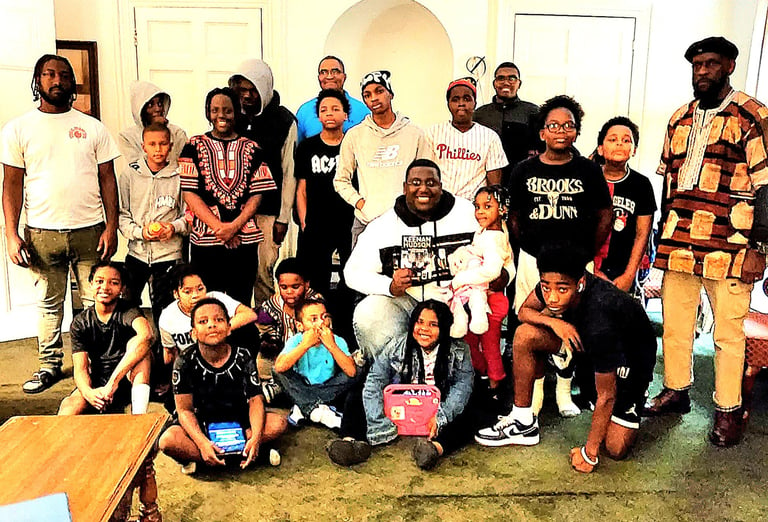
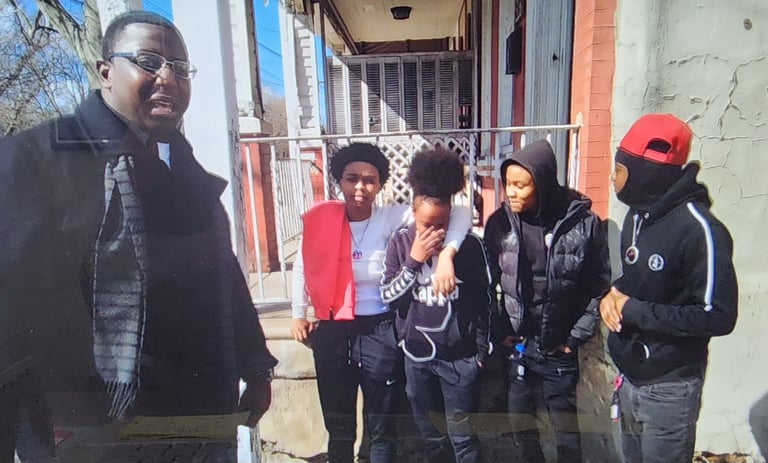
The Crisis Facing At-Risk Youth
Systemic Inequality
Black youth are arrested and detained at rates nearly 5 times higher than White youth for similar offenses. This disparity reflects deep-rooted systemic bias that pushes young people of color into the justice system rather than toward support and opportunity.
Housing Instability
Landlords often deny applications from formerly incarcerated individuals, leaving many without safe, stable housing. This instability makes it nearly impossible to maintain employment or rebuild family relationships, perpetuating the cycle of poverty and recidivism.
School-to-Prison Pipeline
Zero-tolerance policies in schools disproportionately affect youth of color, leading to suspensions, expulsions, and juvenile justice involvement. Once in the system, young people face an uphill battle to get their education and future back on track.
Lack of Positive Outlets
Many at-risk youth lack access to after-school programs, mentorship, arts, music, and sports. Without positive outlets, young people are more vulnerable to negative influences and criminal activity.
Family & Community Trauma
Many youth grow up in communities impacted by poverty, violence, and mass incarceration. Witnessing or experiencing trauma at a young age increases the risk of involvement in the justice system.
Limited Mental Health Support
Youth struggling with mental health issues, trauma, or behavioral challenges often don't receive the help they need. Instead of treatment and support, they face punishment and incarceration.
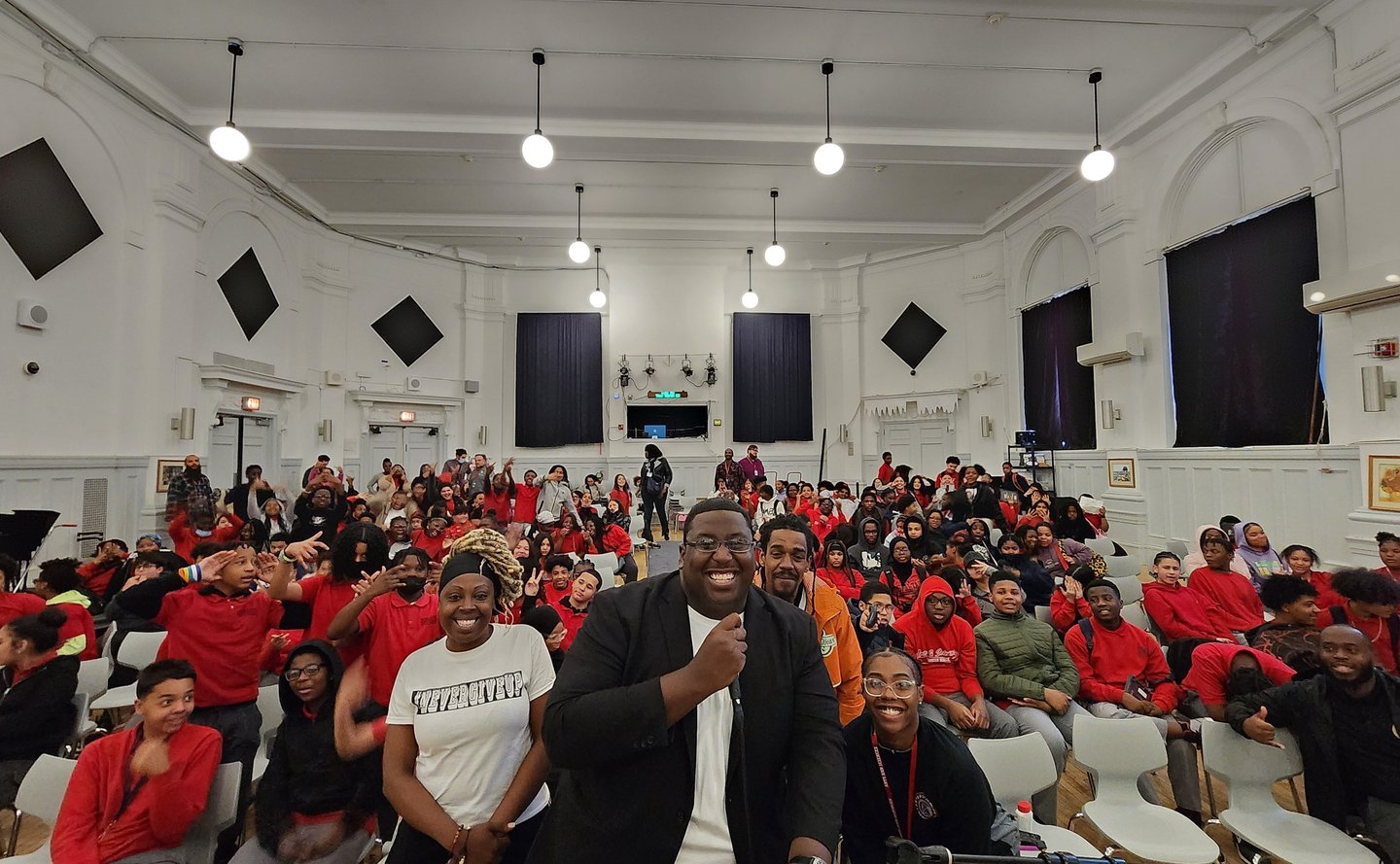
Why The Re-entry Connect Matters
These challenges are not insurmountable. With the right support, resources, and opportunities, formerly incarcerated individuals can successfully rebuild their lives, and at-risk youth can avoid the justice system entirely. The Re-entry Connect provides that critical supportoffering housing, employment assistance, life skills training, mentorship, and hope. We believe in second chances and first chances. We believe in breaking cycles and building futures.
Connect
Empowering communities through innovative solutions.
Support
Resources
thereentryconnect@gmail.com
(267) - 709 - 8083
521 Central Ave (Box 95)
Cheltenham, PA 19012
© 2025. All rights reserved.
The Re-Entry Connect Organization
A 501(c)(3) Tax-Exempt Nonprofit
Corporation | Incorporated in Philadelphia, Pennsylvania
EIN: 39-3134727 | 501(c)(3) Effective: July 9, 2025
The Re-Entry Connect Organization is a registered 501(c)(3) nonprofit corporation. All donations are tax-deductible to the extent permitted by law. No goods or services are provided in exchange for contributions unless otherwise stated.Write your text here...
To request a copy of our IRS Determination Letter or Form 990, contact us at thereentryconnect@gmail.com.